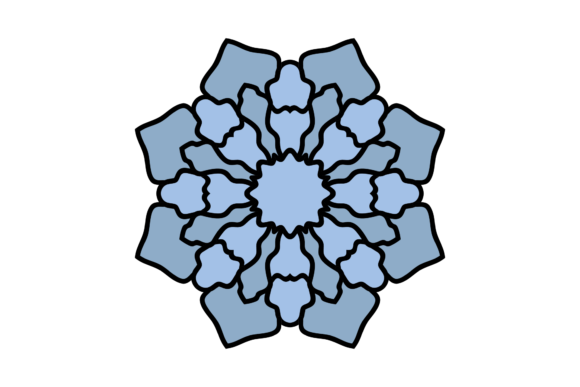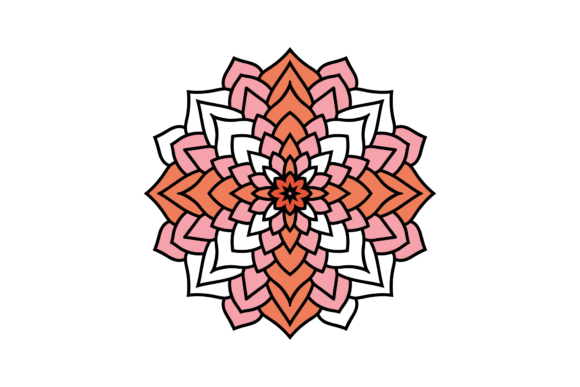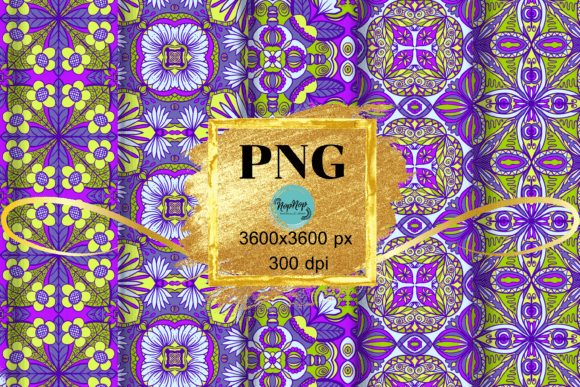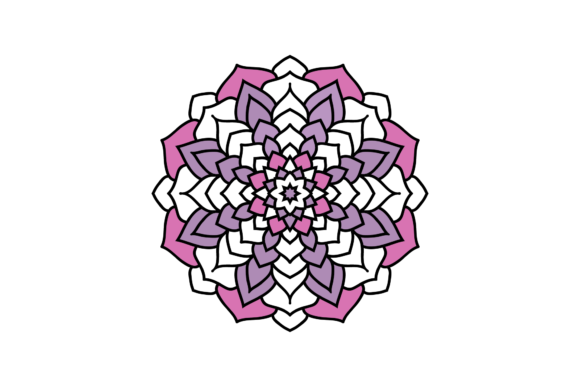
Mandala Patterns Style Decoration
Mandala Patterns Style Decoration brings timeless symmetry, intention, and visual harmony into modern design work — not as a trend, but as a functional, adaptable language of form. Rooted in centuries-old spiritual and cultural traditions, mandalas are circular, geometric compositions built around a central point. In today’s creative landscape, Mandala Patterns Style Decoration has evolved beyond ritual or meditation aids into versatile, scalable assets for digital and physical projects alike.
What makes this style especially valuable today is its rare combination of aesthetic precision and structural flexibility. Each pattern balances repetition and variation — intricate linework, radial symmetry, layered motifs — yet remains highly legible at any scale. That duality translates directly into real-world utility: whether you're designing a brand logo, crafting social media templates, developing educational printables, or preparing laser-cut stencils, Mandala Patterns Style Decoration delivers clarity, cohesion, and quiet impact.
Why Designers and Creators Choose This Style
Professionals across disciplines gravitate toward Mandala Patterns Style Decoration because it works *with* their workflow — not against it. Unlike overly ornate or culturally opaque motifs, these patterns are intentionally designed to be both meaningful and modular. They’re not just decorative; they’re compositional anchors.
Take symmetry, for example. It’s more than visual appeal — it supports cognitive processing. Studies in visual communication show that balanced, radial layouts improve information retention and reduce viewer fatigue. That’s why educators use mandala-based mind maps in classrooms, and why wellness brands incorporate them into app interfaces: the structure calms attention while guiding focus.
Another strength lies in scalability. Because each element is mathematically grounded — with consistent spacing, proportional layering, and vector-native construction — Mandala Patterns Style Decoration holds up flawlessly from a 1-inch icon to a 10-foot wall mural. No pixelation, no distortion, no guesswork.
Real-World Applications Across Industries
The versatility of Mandala Patterns Style Decoration isn’t theoretical — it’s baked into how people actually use it:
- Branding & Marketing: Use the SVG or AI file to integrate seamless background textures into email headers, landing pages, or presentation decks. The radial rhythm subtly reinforces trust and balance — ideal for health, coaching, sustainability, or mindfulness brands.
- Digital Product Design: Drop the PNG or JPG into Figma or Adobe XD as overlay elements, loading screens, or section dividers. Its neutral complexity adds depth without competing with content.
- Educational Resources: Teachers and curriculum designers repurpose the DXF file for classroom cutouts (using Cricut or Silhouette machines) to teach geometry, symmetry, or cultural studies — turning abstract concepts into tactile learning tools.
- Print & Packaging: The EPS and high-res JPG files scale cleanly for product labels, greeting cards, or fabric prints. Because the canvas size is fixed at 1920px × 1280px, it fits standard widescreen workflows without cropping or resampling.
- Freelance & Client Work: With six editable formats included — AI, EPS, SVG, DXF, JPG, PNG — you avoid format lock-in. Need to tweak colors in Illustrator? Done. Export for web in SVG? Ready. Prep for CNC routing? DXF is optimized and layered correctly.
What You Get — And Why Format Variety Matters
This collection includes 6 digital files, all built on the same 1920px × 1280px canvas. That consistency means your edits stay aligned across platforms — no mismatched dimensions or repositioning headaches.
Here’s how each format serves a distinct purpose:
- AI File: Fully layered, editable vectors in Adobe Illustrator — ideal for color adjustments, resizing, or extracting individual motifs.
- EPS File: Universally compatible with older design software and print workflows, including large-format RIP systems.
- SVG File: Lightweight, responsive, and code-friendly — perfect for websites, animations, or interactive dashboards.
- DXF File: Precision-engineered for cutting machines and CAD environments. Paths are clean, closed, and grouped logically — no manual cleanup needed.
- JPG File: High-quality raster version with embedded color profile — ready for presentations, mockups, or quick client previews.
- PNG File: Transparent background, sharp edges, ideal for overlays, social posts, or UI elements where background context matters.
No conversions. No compatibility surprises. Just plug-and-play utility — because time saved on file prep is time invested in creative decisions.
Practical Tips for Getting the Most Out of These Files
You don’t need to be a vector expert to benefit from Mandala Patterns Style Decoration — but a few intentional choices go a long way:
- Start simple. Try using the PNG as a subtle background layer first — adjust opacity to 10–20% in Photoshop or Canva. You’ll immediately see how it adds texture without overwhelming.
- Respect the center point. When scaling or rotating, anchor transformations to the exact center. Most vector editors let you snap to object centers — doing so preserves the mandala’s inherent balance.
- Test contrast early. Mandalas rely on line weight and negative space. If placing over photos or gradients, preview in grayscale first to ensure motif clarity.
- Layer thoughtfully. In branding, pair one mandala motif (e.g., from the AI file) with a strong sans-serif typeface — the contrast between organic geometry and clean typography creates memorable visual tension.
- Check licensing scope. These files are for personal and commercial use — meaning you can apply them to client projects, sell products featuring the patterns, or include them in digital courses. Just avoid reselling or redistributing the files themselves as standalone assets.
Mandala Patterns Style Decoration doesn’t shout. It settles — into layouts, into experiences, into moments where clarity and calm matter. Whether you’re launching a new wellness brand, designing lesson plans for middle schoolers, or building a portfolio site that reflects your values, these files offer more than decoration. They offer intention, rooted in form.
Thank you for visiting my product — what you get isn’t just six files. It’s flexibility, fidelity, and the quiet confidence that comes from working with design assets built to last, adapt, and resonate.