Mandala Patterns Element Beauty
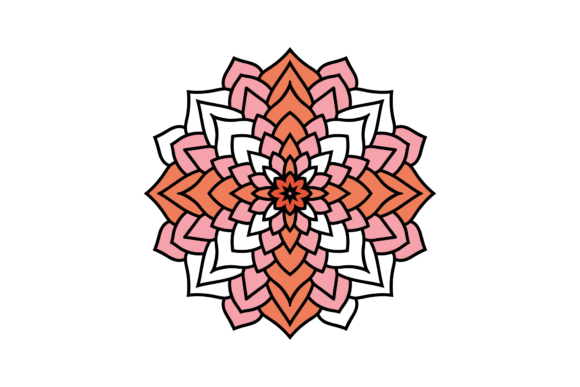
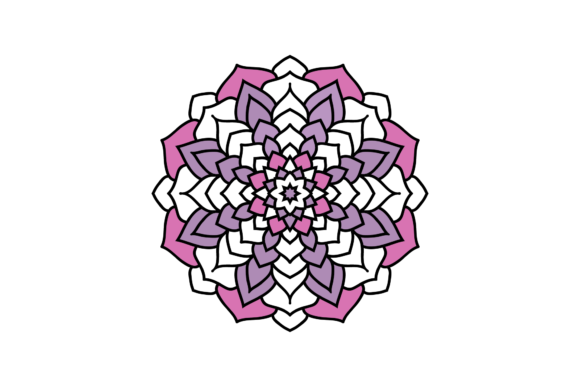
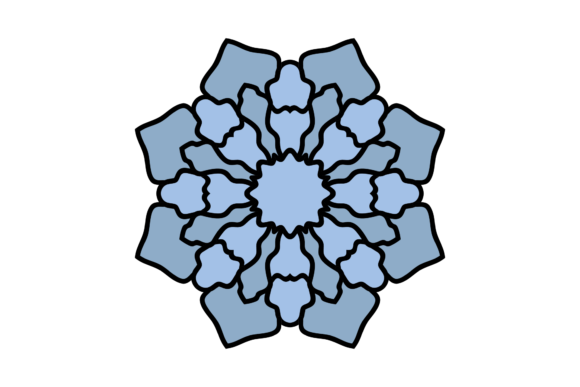
At its core, Mandala Patterns Element Beauty is more than a set of decorative files—it’s a versatile design foundation built for clarity, adaptability, and intentional creativity. Each pattern balances symmetry, rhythm, and organic flow, rooted in the mandala’s timeless visual language but refined for modern digital use. What makes it especially useful isn’t just its aesthetic appeal, but how thoughtfully it’s engineered for real-world application—whether you're designing a brand asset, crafting social media visuals, preparing print-ready materials, or prototyping interactive elements.
What You Actually Get—and Why It Matters
You receive six high-resolution digital files (1920px × 1280px), each serving a distinct purpose:
- AI File: Fully layered and editable in Adobe Illustrator—ideal for adjusting colors, resizing without distortion, or modifying individual motifs.
- EPS File: Compatible across older and newer vector software; reliable for professional printing and cross-platform sharing.
- SVG File: Lightweight and web-optimized—perfect for embedding in websites, CMS platforms, or UI components where scalability and performance matter.
- DXF File: Ready for laser cutting, CNC routing, or vinyl plotting—used by makers, crafters, and small-batch product designers.
- JPG File: High-quality raster version for quick previews, presentations, or platforms that don’t support vector uploads.
- PNG File: Transparent background included—great for overlays, mockups, or layering over photos and textures.
This combination means you’re not locked into one tool or workflow. A graphic designer can tweak paths in Illustrator. A blogger can drop the PNG into Canva without losing fidelity. An educator can import the SVG into a lesson slide and animate it. A small business owner can scale the DXF for custom packaging or signage. The flexibility isn’t theoretical—it’s built in.
Creative Applications That Go Beyond Decoration
Mandala Patterns Element Beauty works best when treated as a starting point—not an endpoint. Here’s how different users bring it to life:
For Designers & Marketers
Use the AI or EPS file to recolor the pattern to match your brand palette, then integrate it subtly as a background texture in email headers, presentation decks, or landing page sections. Try isolating a single radial segment and repeating it as a border element—this maintains visual cohesion while reducing visual weight. For social campaigns, export variations as animated SVGs (using simple CSS transitions) to add quiet motion to Instagram Stories or website banners.
For Educators & Content Creators
The symmetry and structure make these patterns excellent teaching tools—for geometry lessons, mindfulness activities, or cultural studies. Print the JPG at full size for classroom posters, or use the PNG in digital worksheets where students annotate layers or explore rotational symmetry. Because the files are clean and uncluttered, they’re accessible for learners with visual processing preferences.
For Makers & Small Business Owners
The DXF file opens doors beyond screen-based work. Cut the pattern from wood, acrylic, or leather for wall art, coasters, or jewelry components. Adjust line weights in Illustrator before exporting to ensure crisp cuts at any scale. Pair it with natural materials—e.g., a laser-cut mandala in walnut mounted on linen—to reinforce brand values like craftsmanship and balance.
For Bloggers & Freelancers
Need consistent visual identity across posts? Use the SVG as a recurring motif in your site’s footer, sidebar icons, or chapter dividers in downloadable guides. Because it’s vector-based, it stays sharp on retina displays and scales cleanly in responsive layouts. Add subtle CSS filters (like filter: brightness(0.95)) to tone it down for readability without losing character.
Keeping Your Work Clear, Consistent, and Audience-Focused
Even beautiful patterns can overwhelm if applied without intention. Start by asking: What role does this serve? Is it supporting text—or drawing attention away from it? Is it reinforcing a message about harmony, precision, or growth? Let that answer guide placement, scale, and contrast.
For digital use, limit color variation unless it serves a functional purpose (e.g., highlighting interactive zones). In print, test grayscale output first—the underlying structure should remain legible even without color. When adapting for accessibility, avoid placing light-colored patterns over light backgrounds; the PNG’s transparency helps, but contrast remains your responsibility.
Consistency doesn’t mean repetition—it means thoughtful reuse. Try using the same base pattern in three ways across a project: full-scale as a hero section background, reduced to 15% opacity as a watermark on documents, and cropped tightly as a favicon or app icon. This builds recognition without monotony.
Realistic Inspiration—Not Just Ideation
A wellness coach used the SVG version as a subtle looped animation behind her “Breathwork Guide” PDF cover—soft rotation evoked calm without distraction. A stationery brand printed the DXF-cut version onto recycled paper tags for gift sets, pairing it with minimalist typography. A university communications team adapted the AI file into a modular system—breaking the full mandala into four quadrants, each assigned to a campus initiative (sustainability, inclusion, research, community), then reassembling them in annual report infographics.
None of these required advanced technical skill—just clear intent and willingness to edit rather than accept the file as-is.
A Final Note on Creative Ownership
These files give you permission to adapt—not just use. You’re not borrowing someone else’s finished idea; you’re receiving a well-constructed element designed to respond to your goals. Edit the stroke weights. Replace anchor points to shift emphasis. Layer it under photography to create depth. Export individual paths as icon sets. The value isn’t in the pattern alone—it’s in what you build with it, for who you serve, and how clearly it communicates what matters.
Mandala Patterns Element Beauty works because it meets practical needs without sacrificing integrity. It supports your process instead of dictating it. And whether you’re launching a course, designing a shop banner, or illustrating a concept for your team, it gives you room—to refine, to simplify, to connect.